
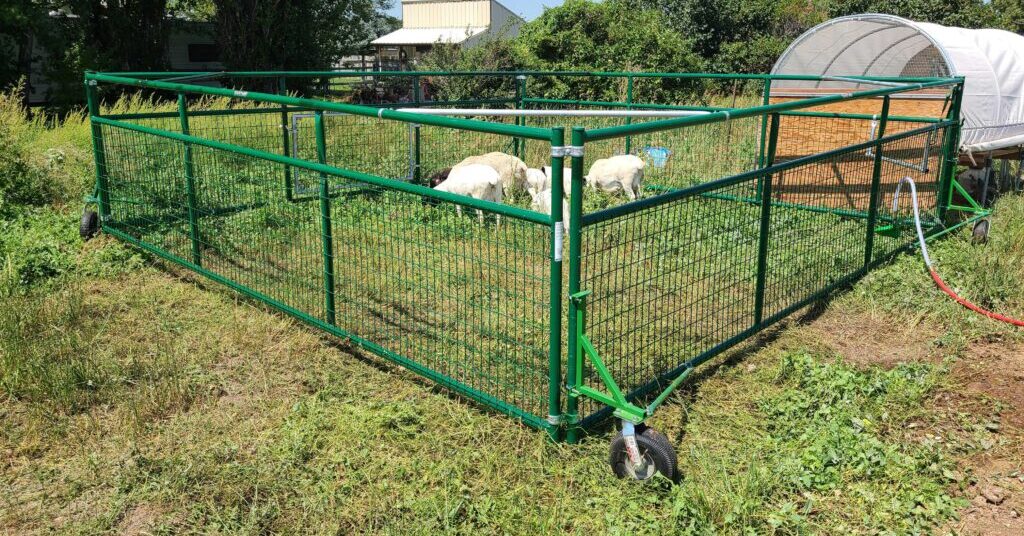
Regenerative grazing with sheep tractors involves using mobile, fenced enclosures to intensively graze small areas for short durations, moving them daily to mimic natural herd movements. This method boosts soil health through concentrated, even fertilization (manure/urine) and trampling, while preventing overgrazing, controlling weeds, and managing parasite loads.
Key Principles and Benefits
- High-Density Grazing: Sheep are packed at high densities to ensure all vegetation is grazed or trampled, breaking up surface crusts and creating a protective mulch layer that increases soil moisture and carbon.
- Mobility & Timing: Tractors or electric netting should be moved once or twice daily to keep sheep on fresh forage.
- Rest Periods: The key to regeneration is giving pasture a 30 to 45-day rest period before re-grazing, allowing for deep root development and photosynthesis, which boosts pasture productivity.
- Soil Fertility: This system avoids chemical fertilizers by relying on animal impact to cycle nutrients.
- Parasite Management: Frequent movement helps keep sheep ahead of parasite larvae cycles.
Implementing a Sheep Tractor System
- Shelter & Security: Tractors should provide protection from predators while allowing the sheep to graze.
- Infrastructure: While some use rigid, mobile structures, others prefer electric netting or “electronet” fencing for flexibility in managing larger groups.
- Management: It is critical to monitor for weeds that are becoming unpalatable and adjust grazing times to ensure all plants are consumed or trampled.
- Forage Diversity: Diverse pastures encourage better nutrition for the sheep and support healthier, more resilient soil.
Management Tips
- Leave 50% or more of the forage behind to allow for rapid recovery.
- Move lambs when they have grazed enough to stimulate growth, typically allowing a 30 to 45-day rest period.
- Incorporate flexible rest periods based on seasonal growth rates.
Regenerative grazing with sheep is ideal for fixing degraded land, converting neglected areas into fertile pastures, and accelerating ecological recovery.
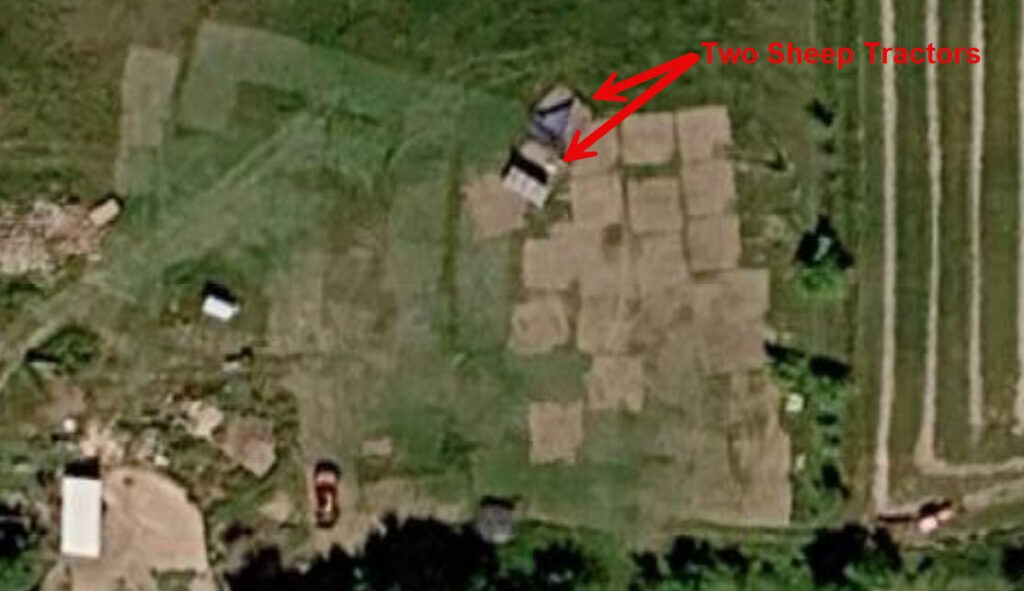
How Many Lambs?
A homestead typically needs 1 to 4 lambs per year, yielding roughly 35–57 lbs of take-home meat per animal. A family of four eating lamb once a week would require about 2–3 lambs annually, depending on whether lamb is the primary protein source or a supplement to beef and chicken.
Key Lamb Meat Yield Factors
- Take-Home Meat: A 150 lb live lamb typically yields around 50–57 lbs of packaged meat.
- Common Yield: A standard, smaller homestead lamb often yields roughly 35-40 lbs of meat.
- Stocking Rates: Raising 1–4 lambs is common to fill a freezer.
Production Tips
- Time to Market: Lambs can reach butcher weight (approx. 80–100 lbs) in 4–7 months, allowing them to be harvested before winter, saving on hay costs.
- Yield Percentage: Lambs have a roughly 50–55% carcass yield, with 75% of that being actual take-home meat.
Grass Fed vs Grain Fed
Grass-fed lamb is generally leaner, more nutrient-dense, and has a stronger, “earthy” flavor compared to grain-fed lamb. It offers higher levels of omega-3 fatty acids, CLA, and vitamins. Grain-fed lamb, often finished on soy/corn, grows faster, produces fattier, milder, and often more tender meat.
Key Differences:
- Taste & Texture: Grass-fed has a more robust, “pastoral” flavor and is leaner. Grain-fed is milder, often preferred by those sensitive to “gamey” flavors, with higher fat content.
- Nutrition: Grass-fed is considered healthier, containing more omega-3 fatty acids, conjugated linoleic acid (CLA), and beta-carotene.
- Health Benefits: Due to superior fat composition, grass-fed is often associated with lower inflammation and better heart health.
- Growth & Environment: Grass-fed lambs are often raised on pasture, resulting in a lower environmental impact. Grain-fed lambs are often finished in feedlots, reaching market weight faster (12-13 months vs. 18-24 months).
- Cost: Grass-fed is generally more expensive due to the longer, more natural raising process.
Ultimately, the choice depends on whether you prefer a leaner, intensely flavored meat with maximum health benefits (grass-fed) or a milder, more conventional taste and texture (grain-fed).
Chicken Tractors
Chickens can eat sheep parasites by foraging through manure, acting as a natural control method. Because most sheep parasites are host-specific, they cannot infect chickens, meaning the birds consume larvae and eggs safely without getting sick. This practice breaks the parasite lifecycle, reducing worm burdens in the pasture.
Benefits of Chickens in Sheep Pastures:
- Parasite Control: Chickens, particularly in a chicken tractor or managed grazing system, scratch apart sheep manure, eating parasite larvae and larvae from fly eggs.
- Reduced Infection: Because sheep parasites (like barber pole worms) cannot survive in a chicken’s digestive system, the worms simply die when ingested.
- Complementary Grazing: Chickens help control pest populations that affect livestock, such as ticks and flies.
Considerations:
- Limitations: Chickens may not be able to eat all larvae, particularly microscopic ones.
- Management: Using chicken tractors to move the birds through pastures allows them to effectively target infested manure in different areas.